Gold Investment

How to invest in gold.
Every method, explained.

Physical bars, ETFs, mining stocks, futures, or CFD trading - compare every way to invest in gold, with realistic pros and cons for each. And if you want to actively trade gold entries and exits, here's how signals help.

5
Gold methods
1-8%
Physical premium range
0.25%
Low ETF fee area
17K+
GoldSniper traders
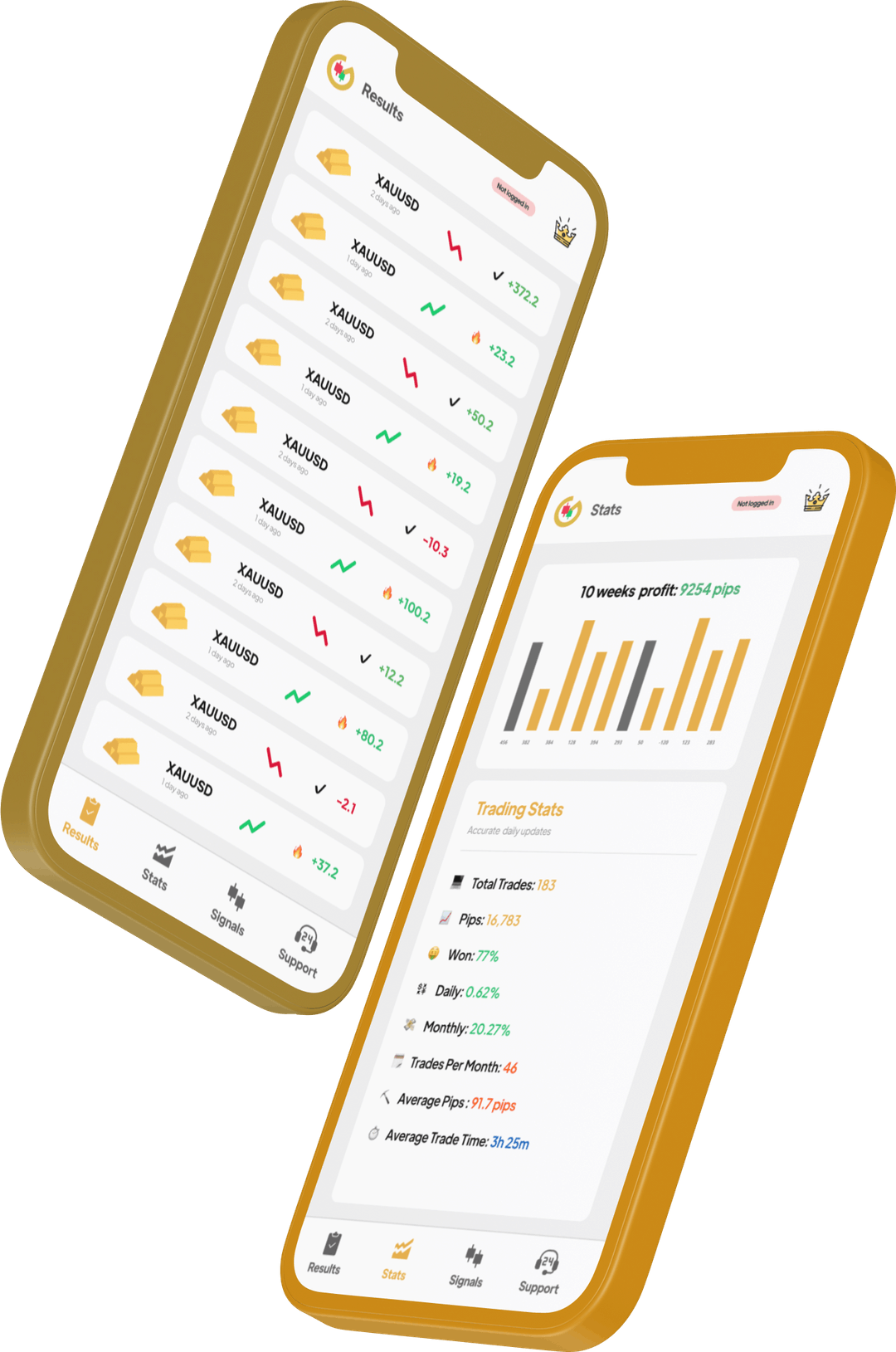
GoldSniper app preview
Direct answer

Gold investing is not one product.

The cleanest gold investment method depends on what you are trying to solve. If you want wealth preservation, physical gold or a low-cost ETF does the job. If you want equity-style upside, mining stocks can work. If you want to actively time direction, you are no longer just investing - you are trading gold.

That difference matters. A long-term investor can buy gold, rebalance once or twice a year, and ignore the noise. An active trader needs a defined entry, a stop-loss, and a target before the order goes live. GoldSniper sits in that second category: it helps traders time XAUUSD entries and exits, not replace physical gold ownership.

Comparison

The 5 ways to invest in gold

Physical Gold

Minimum investment $100-200 for gram bars; more realistic at $2,000+ for 1 oz bars or coins
Liquidity Medium. You sell back to a dealer, marketplace, or vault provider.
Costs 1-8% premium over spot, plus storage, insurance, delivery, and buy/sell spread.
Best for Long-term wealth preservation and investors who want metal outside the financial system.
Downsides Slow exits, theft risk, storage cost, wider spreads, and awkward position sizing.

Gold ETFs

Minimum investment $50-100 depending on share price and fractional share access
Liquidity High during market hours. Sell from a brokerage account like any stock.
Costs Typical expense ratios around 0.25-0.40% annually, plus broker spread or commission.
Best for Passive investors who want gold exposure without storing coins or bars.
Downsides Market-hours only, no physical possession, and limited use for leveraged intraday trading.

Mining Stocks

Minimum investment $10-100 with fractional shares; more for a diversified basket
Liquidity High for major miners and ETFs; lower for junior miners.
Costs Stock spread, broker fees if any, fund fees for mining ETFs, and business-specific risk.
Best for Investors who want gold-linked upside with stock-market return potential.
Downsides You own a business, not metal. Costs, debt, management, mines, and politics matter.

Gold Futures

Minimum investment $500-1,000+ for micro contracts; much higher for standard contracts
Liquidity Very high in active sessions, especially COMEX gold futures.
Costs Exchange fees, broker commission, bid/ask spread, margin, and possible overnight funding impact.
Best for Experienced traders who want regulated exchange access and precise execution.
Downsides Leverage, contract rollover, expiry, and margin calls punish weak risk management.

CFD Trading

Minimum investment $100-500 depending on broker and leverage rules
Liquidity High. XAUUSD can usually be traded 24/5 through CFD and forex platforms.
Costs Spread, overnight swap, possible commission, and slippage around news.
Best for Active traders who want to go long or short and time entries with signals.
Downsides Leverage amplifies mistakes. Not appropriate for passive buy-and-hold investors.

Physical gold

Physical gold - bars, coins, and vault storage

Physical gold is the traditional route: bars, coins, and allocated vault holdings bought through bullion dealers, mints, or specialist platforms. You pay above spot because the dealer has fabrication, shipping, inventory, and spread costs. Typical retail premiums are about 3-8% for popular coins and 1-3% for larger bars, though small bars can cost more on a percentage basis.

The appeal is obvious. You own metal. There is no ETF issuer, no mining management team, and no broker platform between you and the asset. That is why physical gold works best as long-term wealth preservation, not as a tool for quick entries and exits.

The weak points are equally practical. Storage costs money. Insurance matters. Home storage introduces theft risk. Selling often means going back to a dealer and accepting their bid. If your goal is to buy and forget for 5-10 years, physical gold can make sense. If your goal is to trade the next $30 move in XAUUSD, it is the wrong tool.

ETFs

Gold ETFs - GLD, IAU, and how they work

Gold ETFs are the simplest way to add gold exposure inside a brokerage account. Funds such as GLD and IAU are designed to track the gold price by holding physical bullion or using structures tied closely to bullion value. You buy and sell shares like any stock.

The main advantage is friction. No dealer calls, no shipping, no vault invoice, no fake-bar anxiety. Expense ratios are typically around 0.25-0.40% annually, with IAU commonly cited at the lower end and GLD at the higher end. For a passive investor, that trade-off is usually fair.

The limitation is that ETFs are still investment vehicles, not active trading tools for every trader. They trade during exchange hours, they do not give the same leverage flexibility as CFD or futures platforms, and short-selling access depends on your broker. If you want simple gold allocation, an ETF is hard to beat. If you want 24/5 tactical XAUUSD entries, look elsewhere.

Mining stocks

Gold mining stocks - leverage to gold price

Mining stocks are shares in companies that explore for, develop, and mine gold. They often move more than the gold price because a rising gold price can expand miner margins. A $100 increase in gold can matter a lot if a miner's cost base is stable. That is why major and mid-tier miners can behave like 2-3x leveraged exposure to gold.

That leverage cuts both ways. A miner can fall while gold rises if costs increase, production disappoints, debt becomes expensive, or management makes poor capital decisions. Political and permitting risk also matter. You are buying a business whose revenue is linked to gold, not a clean claim on gold itself.

Mining stocks suit investors who want upside leverage and can analyze companies. They do not suit investors who want pure metal exposure or traders who need a precise XAUUSD entry, stop-loss, and take-profit structure.

Active trading

Gold futures and CFD trading - the active approach

Futures and CFDs are for traders who want to time gold direction. You can go long or short, use leverage, trade active sessions, and manage exits with stops and take-profit orders. There is no storage, no coin premium, and no annual ETF expense ratio.

The trade-off is risk. Leverage makes gold efficient, but it also makes bad sizing expensive. A trader who buys physical gold at a poor price may be early. A trader who buys XAUUSD with oversized leverage and no stop may be out before the week is over.

Use futures or CFDs only if you understand technical analysis, position sizing, liquidity, spreads, and risk management. The active approach rewards preparation and punishes improvisation. Every trade needs the same basic structure: entry, invalidation, target, and risk percentage.

Decision guide

Which gold investment method is right for you?

Your goalBest fitWhy
Buy and hold for 5+ yearsPhysical gold or a low-cost ETFYou care more about ownership and portfolio ballast than intraday timing.
Want simple portfolio exposureGold ETFYou can rebalance in a brokerage account without storage or dealer spreads.
Want gold exposure with stock-like upsideMining stocks or a mining ETFThe business can outperform gold, but it can also underperform while gold rises.
Want to actively trade gold directionCFD or futuresYou need entry timing, stop-loss discipline, and position sizing before every trade.
Want data for entry timingGoldSniper signalsSignals give active traders entry, stop-loss, and take-profit levels when conditions align.
Signal bridge

How trading signals fit into gold investment

Signals are not a replacement for owning gold. If you are buying physical metal and holding for a decade, you do not need trading signals. Your edge is patience, allocation size, and low friction.

Signals become useful when your gold exposure becomes active. If you are trading XAUUSD for shorter-term moves, you need to know where the setup starts, where it is wrong, and where profit should be taken. GoldSniper signals provide data-driven entry, stop-loss, and take-profit levels so the decision is defined before the trade moves.

GoldSniper has served 17,000+ traders since 2018 with a 93% reported win rate. That record matters for active traders because timing is the business. A passive investor can wait years. A trader cannot.

See how gold signals work.

For active gold traders, GoldSniper turns market timing into clear levels: entry, stop-loss, TP1, TP2, and TP3.

See how gold signals work - free trial
FAQ

Gold investment FAQ

What is the best way to invest in gold? +

The best method depends on the goal. Physical gold is strongest for long-term wealth preservation. Gold ETFs are usually best for simple passive exposure. Mining stocks suit investors who accept business risk for upside leverage. Futures and CFDs suit active traders who want to time gold direction with defined risk.

How much money do I need to start investing in gold? +

You can start with around $50-100 through a gold ETF or fractional shares, around $100-200 with small gram bars, and around $100-500 with many CFD trading accounts. A realistic physical gold allocation usually needs more capital because premiums, delivery, and storage matter more on small purchases.

Is physical gold better than gold ETFs? +

Physical gold is better if you want direct ownership outside the brokerage system and plan to hold for years. Gold ETFs are better if you want low-cost liquidity, easy portfolio sizing, and no storage work. One is ownership-focused; the other is access-focused.

Can I lose money investing in gold? +

Yes. Gold can fall for months or years, especially when real yields rise, the US dollar strengthens, or risk appetite shifts back to equities. Physical buyers can also lose money from high premiums and dealer spreads. CFD and futures traders can lose quickly if leverage is oversized.

What is the difference between buying gold and trading gold? +

Buying gold usually means building long-term exposure through physical metal, ETFs, or mining stocks. Trading gold means taking shorter-term long or short positions in XAUUSD, futures, or CFDs with defined entries, stops, and exits. The first is an allocation decision; the second is an execution skill.

How do gold trading signals work? +

A gold trading signal gives an active trader a planned setup: entry price, stop-loss level, and take-profit targets. GoldSniper signals are built for XAUUSD traders who want data-driven timing rather than vague market commentary. The trader still controls broker choice, position size, and risk per trade.

Is now a good time to invest in gold? +

That depends on timeframe and method. Long-term investors can reduce timing risk with staged buying or portfolio rebalancing. Active traders should not ask whether gold is good in general; they should ask whether the current technical structure gives a valid entry, stop, and reward-to-risk profile.

Do I need a broker to invest in gold? +

You need a broker for gold ETFs, mining stocks, futures, and CFD trading. You do not need a securities broker to buy physical gold, but you still need a reputable bullion dealer, mint, or vault provider. For active XAUUSD trading, use a regulated broker and understand local rules.

Download on the App Store Get it on Google Play

Trade gold with defined levels.

GoldSniper gives active XAUUSD traders entries, stop-losses, and take-profit targets. Download free.