 GOLDSNIPER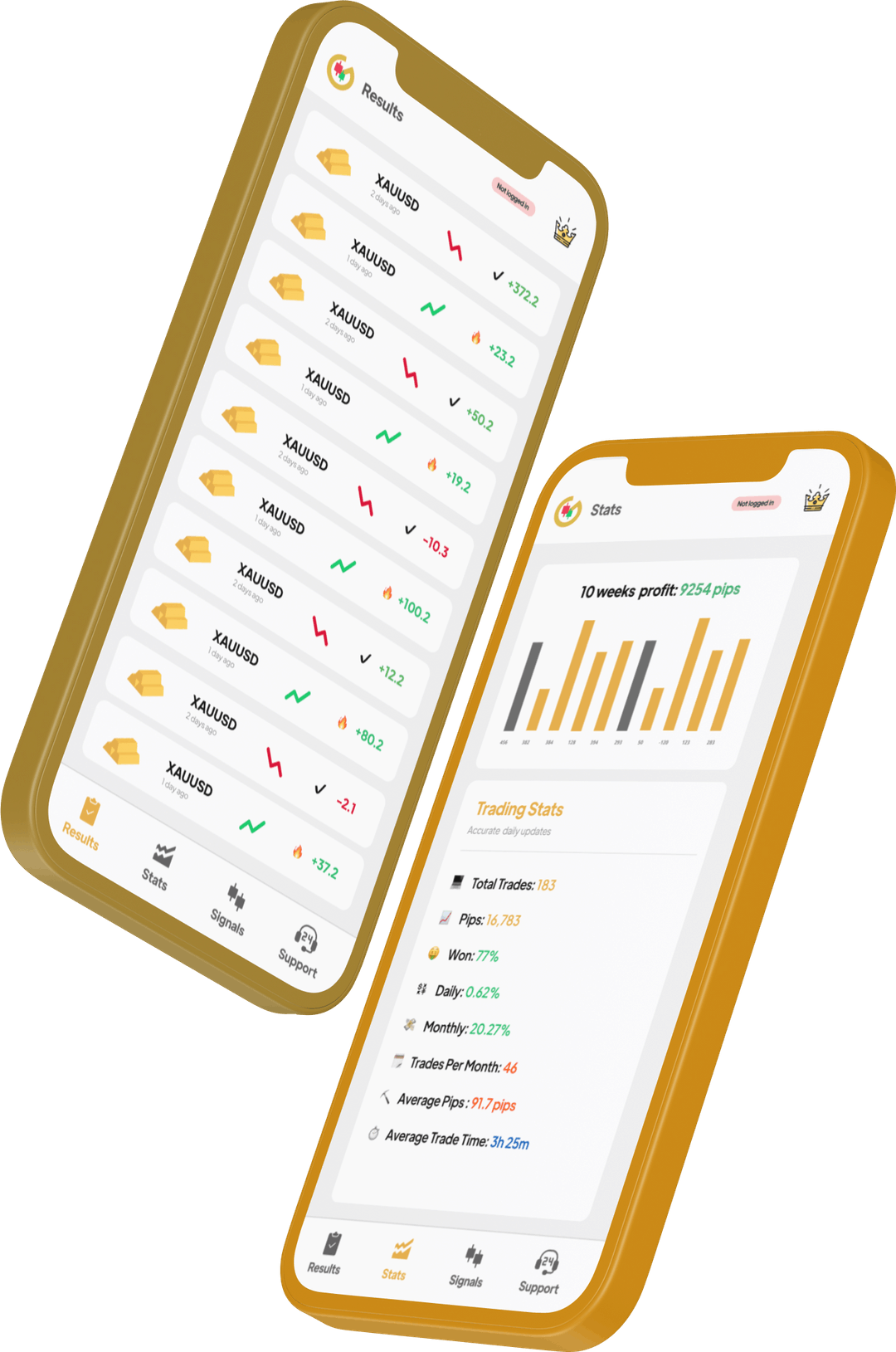
Why gold rises during conflict.
Gold's status as a safe-haven asset isn't just tradition — it's grounded in fundamental properties that make it uniquely suited to protect wealth during crises. Understanding why gold rises during geopolitical events helps you predict which events will move it and by how much.
Zero counterparty risk
Every other financial asset depends on someone else's promise. Bonds require a government or corporation to repay. Bank deposits require the bank to remain solvent. Even currencies require central bank credibility. Gold requires nothing — it's a physical asset that has held value across every empire, war, and financial crisis in human history. When geopolitical events threaten the stability of institutions, gold's independence becomes invaluable.
Sanctions can't freeze gold (if you hold it)
The 2022 freezing of Russia's $300 billion in foreign exchange reserves sent a powerful message: even sovereign wealth held in foreign banks can be seized. This accelerated central bank gold buying worldwide — nations realized that only physical gold held domestically is truly immune to sanctions. The 2022 Russia-Ukraine conflict wasn't just bullish for gold because of the war — it was bullish because it fundamentally changed how nations think about reserve assets.
Flight from risk assets
When geopolitical tensions rise, investors sell equities, corporate bonds, and emerging market assets — redirecting capital toward safe havens. Gold, US Treasuries, the Swiss franc, and the Japanese yen are the primary beneficiaries. Gold often outperforms during the most severe crises because, unlike Treasuries or currencies, it isn't tied to any single government's stability. If the crisis involves the United States directly, gold can rise even as Treasuries fall.
Oil price transmission
Many geopolitical crises involve oil-producing regions (Middle East, Russia). When conflict disrupts or threatens oil supply, energy prices spike, fueling inflation fears. Higher oil → higher inflation → more demand for gold as an inflation hedge. This oil-gold correlation amplifies gold's response to conflicts in the Persian Gulf, Russia, and other energy-critical regions. The 1990 Gulf War and 2022 Russia-Ukraine invasion both triggered simultaneous oil and gold rallies.
The "spike and fade" pattern
Most geopolitical gold rallies follow a predictable pattern: an initial sharp spike driven by fear, followed by a partial retracement as markets adapt to the new reality. The initial spike is driven by emotional, reflexive safe-haven buying. The retracement happens as markets realize the worst-case scenario hasn't materialized, or as traders take profits. However, if the conflict escalates or produces lasting economic damage (sanctions, trade disruptions, inflation), the fade is shallow and gold establishes a new, higher range.
Historical examples.
Six defining geopolitical events and how gold responded to each. Notice the pattern: the severity and duration of gold's rally correlates with the event's economic impact, not just its headline shock value.
Gulf War — 1990
Iraq's invasion of Kuwait sent oil prices from $17 to $41/barrel and gold from $350 to $417 — a 19% spike in weeks. The rally faded once the US-led coalition signaled a swift military response. Gold gave back most gains within 6 months as the war ended quickly. Lesson: short, decisive conflicts produce temporary gold spikes. The oil price transmission was the primary driver.
September 11 — 2001
Gold spiked from $271 to $293 (+8%) in the days after the attacks, as US markets closed for a week. The rally extended to $330 over the following months as the "War on Terror" narrative took hold and the Fed cut rates to 1%. The combination of geopolitical fear and monetary easing created a double tailwind that launched gold's 10-year bull run.
Crimea Annexation — 2014
Russia's annexation of Crimea pushed gold from $1,241 to $1,385 (+12%) over March-April 2014. However, with limited sanctions and no broader military escalation, gold faded back to $1,200 by November. The event showed that contained regional conflicts produce moderate, temporary gold moves — unless they trigger broader economic consequences.
US-Iran Tensions — 2020
The US assassination of Iranian General Soleimani in January 2020 spiked gold from $1,517 to $1,611 (+6%) in a week. Oil surged simultaneously on fears of Strait of Hormuz disruption. When Iran's retaliation was measured (no casualties), gold faded. Lesson: the market prices in the worst case instantly, then reprices based on the actual response.
Russia-Ukraine War — 2022
The full-scale invasion was the most bullish geopolitical event for gold in a decade. Gold rallied from $1,800 to $2,070 (+15%) in March 2022. Unlike previous events, this rally had lasting effects: Western sanctions on Russian reserves ($300B frozen) triggered a global central bank gold-buying spree that persists today. The event fundamentally changed the gold market structure.
Middle East Escalation — 2024–26
The multi-front conflict across the Middle East has maintained elevated safe-haven demand for gold since late 2023. Unlike short-duration crises, the persistent nature of the conflict — combined with oil supply uncertainty and broader regional instability — has supported gold at elevated levels. Each escalation produces new highs as the "peace premium" never fully restores.
Trading gold during crises.
Don't chase the initial spike
The first reaction to breaking news is always the most emotional and least rational. Spreads widen to 5–10x normal, slippage is extreme, and the initial move often overshoots before pulling back. Wait for a clear pullback — the first 50% retracement of the spike is typically a high-probability long entry if the fundamental threat is real.
Use wider stops than normal
Geopolitical volatility is erratic — driven by headlines, not technicals. A ceasefire rumor can retrace gold $30 in minutes, followed by another rally on escalation news. Use stop-losses 2–3x wider than your normal strategy, and reduce position size proportionally. A $50 stop with 0.01 lots is better than a $15 stop with 0.03 lots during a crisis.
Assess whether the event affects USD or oil
Not all geopolitical events move gold equally. Events that weaken the US dollar (sanctions that undermine dollar hegemony, US-specific crises) or spike oil prices (Middle East conflicts, Russia-related events) produce the strongest gold moves. A coup in a small nation with no oil or dollar implications might not move gold at all.
Take partial profits early and let the rest ride
Geopolitical rallies can reverse suddenly on a single headline: "ceasefire agreed," "talks underway," or "measured response." Take 50% of profits when gold reaches a clear resistance level or after a $30–$50 move, then trail your stop on the remainder. This protects gains while keeping upside exposure if the crisis escalates further.
Geopolitical risks for gold in 2026.
The current geopolitical environment is the most complex since the Cold War, with multiple simultaneous flashpoints that support structurally higher gold demand:
De-dollarization & BRICS expansion
BRICS nations are actively reducing dollar dependence in trade settlement and reserve holdings. Gold is the primary beneficiary — central banks have purchased 1,000+ tonnes per year since 2022. This isn't a temporary spike; it's a structural shift in the global monetary system that creates a persistent bid under gold prices. Every new BRICS trade agreement that bypasses the dollar is incrementally bullish for gold.
US-China strategic competition
Technology restrictions, Taiwan Strait tensions, and trade barriers continue to inject uncertainty into global markets. Any escalation — particularly around semiconductor supply chains or military posturing — could trigger significant gold upside. Markets are not fully pricing in a worst-case scenario, which means the upside surprise potential in gold is substantial.
Middle East instability
Ongoing multi-front tensions in the Middle East maintain a "geopolitical premium" in gold that shows no sign of dissipating. Each new escalation resets gold higher, and the calm periods between escalations produce only shallow pullbacks. The oil supply risk further amplifies gold's response to Middle Eastern events through the inflation transmission channel.
Bottom line: The geopolitical backdrop for gold is the most supportive it's been in decades. Multiple simultaneous risk factors mean that even if one tension eases, others maintain demand. For traders, this creates an asymmetric opportunity: geopolitical de-escalation produces shallow gold dips (buying opportunities), while escalation produces sharp rallies. The bias is structurally bullish until the global security environment materially improves.
Trading gold during crises.
See how GoldSniper signals captured gains during geopolitical events.
Geopolitics & gold FAQ
Why does gold rise during wars and conflicts? +
Gold has zero counterparty risk — it can't be frozen, sanctioned, or defaulted on. During crises, investors sell risk assets and buy safe havens. Gold benefits from fear-driven demand, potential dollar weakness, and oil-driven inflation expectations.
How much does gold rise during a geopolitical crisis? +
Minor tensions: 1-3%. Major military escalations: 5-15% over days to weeks. The Gulf War (1990) saw +19%, Russia-Ukraine (2022) saw +15%. The magnitude depends on whether the event threatens global economic stability or is regionally contained.
Does gold stay high after a geopolitical event? +
Usually not for short conflicts. Gold follows a "spike and fade" pattern — sharp rally on fear, partial retracement as markets adapt. Prolonged conflicts with lasting economic impact (sanctions, trade disruption) produce sustained higher prices.
How can I trade gold during geopolitical events? +
Don't chase the initial spike. Buy the first meaningful pullback, use wider stops (2-3x normal), take partial profits early, and focus on events that affect the USD or oil prices for the strongest gold correlation.
Gold signals for uncertain times.
Professional XAU/USD alerts that account for geopolitical risk. Download free.