 GOLDSNIPER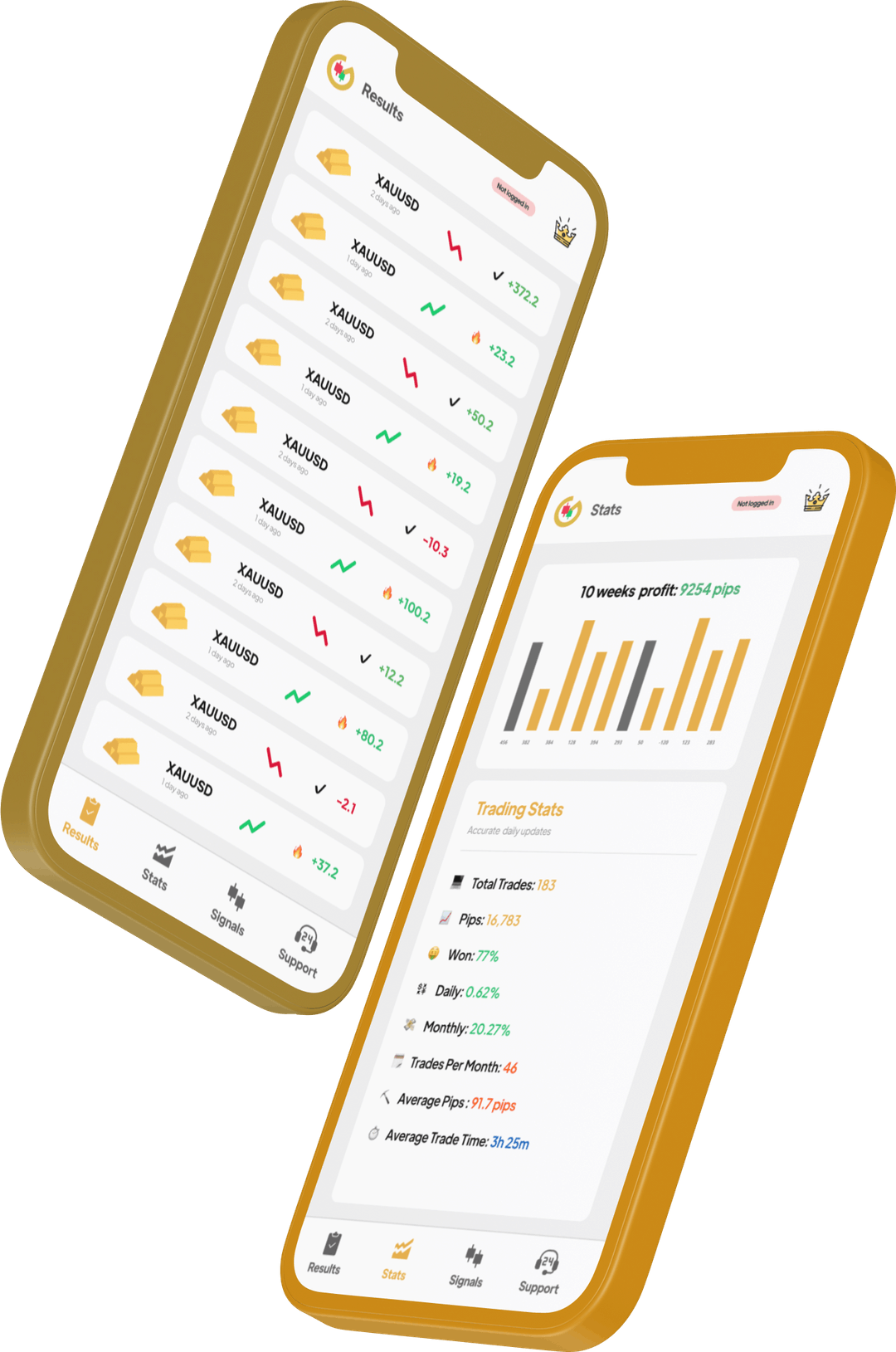
1. Choose bars or coins
Bars usually have lower premiums and suit larger allocations. Coins usually cost more, but they are easier to sell in smaller amounts and are widely recognized.
If you want to own gold for years, buy physical metal from a reputable dealer or buy a low-cost ETF through a brokerage account. If you want to actively manage entries and exits, use a regulated trading platform for XAUUSD, gold CFDs, or futures. Those are different jobs.
The mistake is mixing them. Do not buy coins for a two-day trade, and do not use leveraged CFDs for a five-year savings plan. Decide whether you are investing or trading first. The product choice becomes much easier after that.
Bars usually have lower premiums and suit larger allocations. Coins usually cost more, but they are easier to sell in smaller amounts and are widely recognized.
Check LBMA association where relevant, dealer history, transparent pricing, Trustpilot or independent reviews, insured delivery, and clear buyback terms.
Typical premiums are 1-3% over spot for 1 oz+ bars and 3-8% for common coins. Small novelty bars and collectible coins can cost much more.
Home storage needs a safe and insurance. Allocated vault storage is cleaner operationally but often costs around 0.3-0.5% annually.
Physical gold is best when the timeframe is measured in years. It is poor for fast entries and exits because you pay a premium on the way in and usually accept a spread on the way out.
Open a brokerage account, fund it, then search for gold ETFs such as GLD, IAU, or SGOL. These trade like stocks, so you can usually buy a whole share or fractional shares depending on your broker.
Check the expense ratio before you buy. Lower is better when the fund structure and tracking quality are otherwise acceptable. IAU is commonly around 0.25%, while GLD is commonly around 0.40%. That cost is deducted at the fund level over time.
The ETF route removes the storage problem. There is no delivery, no home safe, no dealer appointment, and no physical authentication process. You can sell instantly during market hours. For passive investors who just want gold price exposure, this is usually the cleanest route.
This route is for active traders, not passive savers. Choose a regulated broker or trading provider and verify the regulator that applies to your account, such as FCA, ASIC, or CySEC where relevant. Rules, leverage caps, and product availability vary by country.
Open the account, deposit funds, and find the gold symbol. On many forex and CFD platforms that symbol is XAUUSD. Futures traders use gold contracts through a futures broker. Before trading live, check spread during London and New York, minimum lot size, margin requirement, swap, and order execution.
Use leverage carefully and set stop-losses before the trade is emotional. GoldSniper signals can be applied here because each signal gives active traders entry and exit timing: entry price, stop-loss, and take-profit levels for XAUUSD.
| Method | Minimum investment | Typical costs | Liquidity | Best for |
|---|---|---|---|---|
| Physical gold | $100-200 (gram bars) | 1-8% premium + storage | Medium (need to sell to dealer) | Long-term holders |
| Gold ETF | $50-100 (1 share) | 0.25-0.40% annual | High (sell anytime) | Passive investors |
| CFD trading | $100-500 | Spread, typically 0.12-0.30 on XAUUSD | High (instant) | Active traders |
| Futures | $500-1,000+ | Commission per contract | High | Professional traders |
Fake bars and counterfeit coins exist. Use established dealers, mints, or vault platforms and verify delivery paperwork.
A premium above 8% on common coins is usually poor value unless there is a specific collectible reason. For investment gold, premium discipline matters.
Physical gold is not free to hold if you use insured storage. Vault fees of roughly 0.3-0.5% annually can change the economics.
Leverage should make position sizing efficient, not turn a gold trade into a margin-call event. Start with risk per trade, then calculate size.
Gold is emotional. Fear buys tops, panic sells dips. Decide timeframe before you buy: multi-year investment or active trade.
If you want to buy gold and forget about it for 5 years, use physical gold or a gold ETF. Your work is choosing allocation size, controlling costs, and avoiding emotional buying after headlines.
If you want to actively manage entries and exits based on technical analysis, use CFD trading or futures with a defined risk plan. That is a different skill, a different timeframe, and a different result profile.
GoldSniper is for traders who want data-driven entries, not for buy-and-hold investors. If you are the former, our signals show you exactly when the technical conditions align, where the stop belongs, and where profit should be taken.
GoldSniper is built for the active side: XAUUSD signals with entry, stop-loss, and take-profit levels.
Start timing gold entries - free trialUse a reputable bullion dealer, mint, or allocated vault provider. Check LBMA association where relevant, long operating history, transparent buy/sell prices, independent reviews, delivery insurance, and clear storage terms. Avoid private deals where authenticity and title are difficult to verify.
For most small investors, a low-cost gold ETF is the cheapest way to get gold price exposure because expense ratios are often around 0.25-0.40% annually and spreads are tight. For physical buyers, larger bars usually have lower percentage premiums than coins, but they are less flexible to sell in small amounts.
Yes. You can buy gold ETFs such as GLD, IAU, or SGOL through many brokerage accounts. Some brokerages also offer gold mining stocks, mining ETFs, futures access, or gold-related structured products. Physical delivery usually requires a bullion dealer or specialist platform.
Many long-term portfolio frameworks use a 5-10% gold allocation for diversification, but the right amount depends on risk tolerance, time horizon, income needs, and existing assets. Active traders should think in risk per trade, not portfolio allocation.
Bars usually have lower premiums, especially at 1 oz and above, so they are efficient for larger long-term holdings. Coins usually carry higher premiums but are easier to sell in smaller amounts and can be more recognizable. For pure investment value, avoid overpaying for collectible features unless you understand the numismatic market.
Some dealers and platforms accept credit cards, but card purchases often include higher fees or worse pricing because processing costs and fraud risk are passed to the buyer. Bank transfer is often cheaper for physical gold. Brokers and trading platforms have their own deposit rules.
Tax rules depend on your country, state, product type, holding period, and whether you are investing or trading. Some jurisdictions tax physical gold or ETF gains differently from stocks or futures. Check local tax guidance or speak with a qualified tax professional before assuming gold is tax-free.
Physical gold is usually sold back to a dealer, vault provider, online marketplace, or local buyer, with the price based on spot minus the buyer spread. ETFs can be sold through a brokerage account during market hours. CFDs and futures can be closed instantly on the trading platform when markets are open.
GoldSniper gives active XAUUSD traders exact entry, stop-loss, and take-profit levels. Download free.