 GOLDSNIPER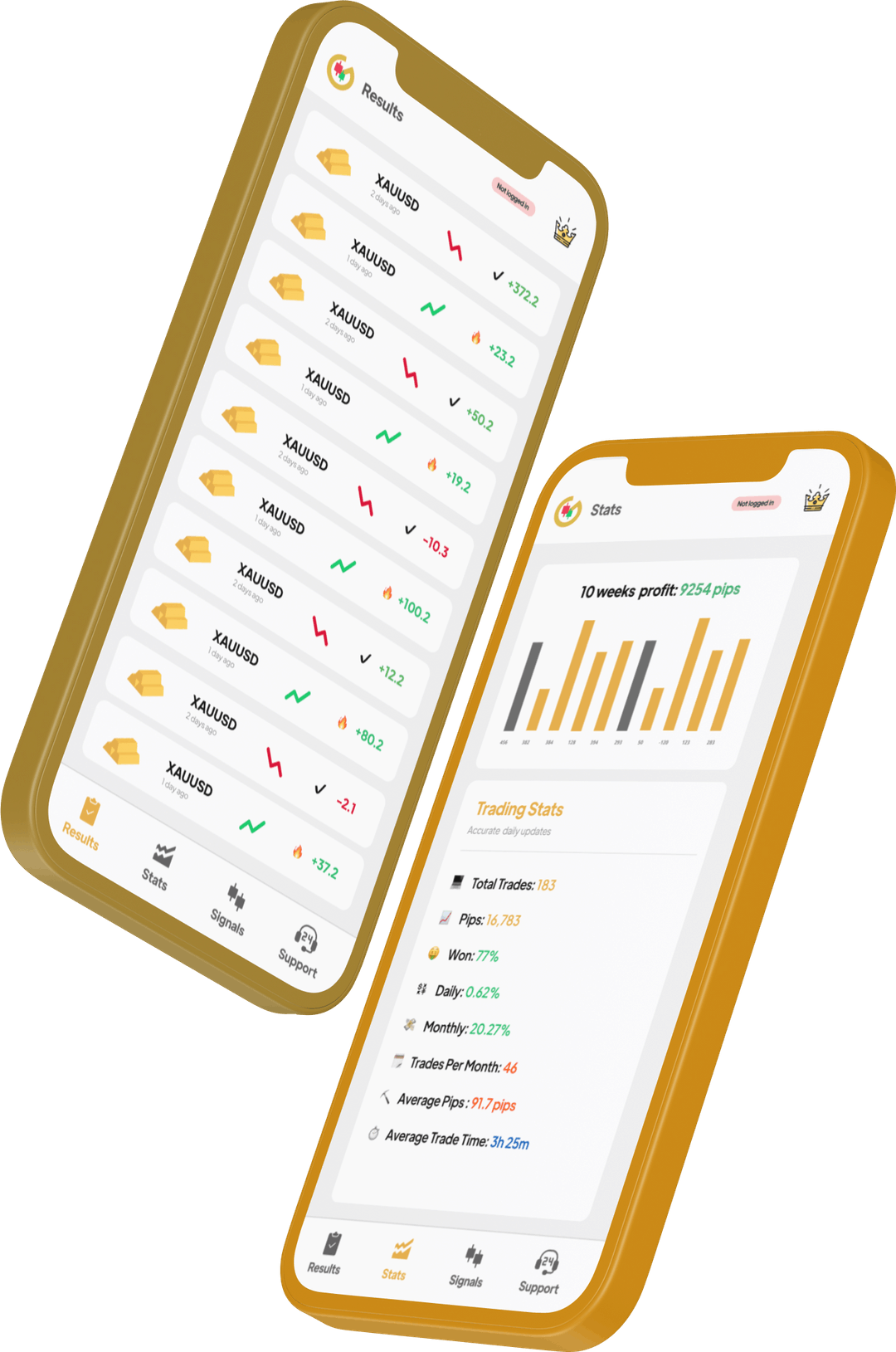
Last updated: 14 August 2026
Gold remains a compelling investment in 2026. Record central bank purchases (1,000+ tonnes/year), declining real yields, and a structurally weaker US dollar provide a bullish foundation. However, gold is at all-time highs above $4,400 and extended on short-term timeframes — corrections to $4,200 are normal and should be bought. A 5–10% portfolio allocation to gold is the evidence-based recommendation for most investors.
Why gold is performing in 2026.
Record central bank buying
Central banks globally are purchasing over 1,000 tonnes of gold per year — a pace unprecedented in modern history. China, India, Poland, Turkey, and Gulf states are diversifying reserves away from US Treasuries. This is not speculative demand — it is long-duration structural buying that creates a price floor. Each dip below $4,200 has attracted significant institutional buying.
Dollar weakness under tariff uncertainty
The US dollar has weakened materially in 2026 as tariff-driven uncertainty and growing concerns about US fiscal sustainability erode confidence. Since gold is priced globally in USD, a weaker dollar mechanically lifts gold prices. The DXY dollar index is down significantly from its 2022 peak, and the trend shows no sign of reversing.
Falling real yields
The Federal Reserve's gradual easing cycle has pushed real yields (nominal yields minus inflation) down from their 2023 highs. When real yields fall, the opportunity cost of holding gold — which pays no interest — decreases. Negative or near-zero real yields make gold competitive against bonds, driving allocation shifts from fixed income to gold.
The case against gold.
No investment thesis is complete without understanding the risks. Here are the credible arguments against gold at current levels.
Rate reversal risk
If US inflation re-accelerates and forces the Fed to resume hiking, real yields would spike and gold would decline sharply. Core CPI above 0.3% for multiple consecutive months would be the trigger. Probability: low but consequential.
High absolute price
Gold at $4,400+ is historically expensive. A 10–15% correction would bring it to $3,740–$3,960 — levels seen just months ago. Buying at all-time highs carries timing risk. Dollar-cost averaging is safer than lump-sum entry.
Opportunity cost
The S&P 500 and NASDAQ are also at all-time highs, driven by AI and tech earnings growth. Equities offer dividends plus capital appreciation — gold offers neither. If equities continue rallying, gold's relative performance may underwhelm.
Gold vs other assets in 2026.
How to invest in gold.
Physical gold
Bars and coins from dealers or mints. Tangible, no counterparty risk, but storage costs and insurance apply. Selling requires physical delivery or visiting a dealer. Best for: buy-and-hold investors who want direct ownership. Not suitable for active trading.
Gold ETFs
Exchange-traded funds like GLD and IAU trade on stock exchanges. Liquid, low-cost (0.25–0.40% expense ratio), IRA-eligible. Each share represents a fractional claim on physical gold held in vaults. Best for: long-term portfolio allocation without storage hassle.
Gold futures
/GC contracts on CME exchange. Standard contract: 100 troy oz. Micro contract (/MGC): 10 troy oz. High leverage, professional-grade. Requires futures broker and margin account. Best for: professional traders and institutions.
Gold CFDs (XAUUSD)
Trade gold 24/5 via forex/CFD broker. Micro lots from 0.01 (1 oz). Leverage up to 1:500 available. Instant execution, mobile apps. The most accessible way to trade gold actively. Best for: retail traders who want flexibility and real-time signals.
Gold investment FAQ
Is now a good time to buy gold in 2026? +
Gold is at all-time highs above $4,400, making short-term timing challenging. However, the structural drivers — record central bank buying, declining real yields, and dollar weakness — remain intact. Dollar-cost averaging or buying on dips to $4,200 is more prudent than going all-in. GoldSniper's analyst team maintains a bullish bias with a Q3 target of $4,500–$4,800.
How much of my portfolio should be in gold? +
Most institutional models and wealth managers suggest a 5–10% allocation to gold for diversification. Gold's low correlation to equities (typically 0.0 to -0.3) makes it an effective portfolio hedge. For aggressive traders during periods of dollar weakness, higher allocations can be justified.
Is gold better than stocks in 2026? +
Gold and stocks serve different roles. The S&P 500 offers dividends and earnings growth; gold offers inflation hedging and portfolio diversification. Both are near all-time highs in 2026. The best portfolio typically holds both: 80–90% equities, 5–10% gold.
What is the safest way to invest in gold? +
Physical gold ETFs (GLD, IAU) in a regulated brokerage account are the safest option — insured, liquid, and IRA-eligible. Physical bullion is the safest non-financial option but carries storage costs. Gold CFDs (XAUUSD) through regulated brokers offer 24/5 access with leverage — suitable for active traders.
Compare every way to invest in gold — physical, ETFs, mining stocks, and trading — in our complete gold investment guide.
Gold investment questions, answered.
Is gold a good investment in 2026? +
Yes, gold is considered a sound investment in 2026 due to record central bank purchases of 1,000+ tonnes annually, declining US real yields, and structural dollar weakness. A 5 to 10 percent portfolio allocation is the standard institutional recommendation. Gold trades at all-time highs above $4,000, so dollar-cost averaging is recommended over lump-sum entry. See the gold trading glossary.
How much of my portfolio should be in gold? +
Most wealth managers and institutional models recommend 5 to 10 percent portfolio allocation to gold. For a $100,000 portfolio, that is $5,000 to $10,000 in gold exposure. Gold's low correlation to equities, typically 0.0 to -0.3, makes it an effective hedge. For aggressive traders, higher allocations can be justified during periods of dollar weakness. See the gold trading glossary.
Should I buy gold now or wait? +
Gold is at all-time highs above $4,000, making short-term timing challenging. A dollar-cost averaging approach, buying a fixed dollar amount monthly, reduces timing risk while keeping exposure active. Alternatively, wait for pullbacks to the $3,800 support level, which historically offers better entries during bullish gold market structures. See the gold trading glossary.
What is the safest way to invest in gold? +
Physical gold ETFs such as GLD and IAU held in a regulated brokerage account are the safest option: insured, liquid, and IRA-eligible. Physical bullion stored in a bank safety deposit box is the safest non-financial option. Gold CFDs (XAUUSD) through a regulated forex broker offer 24/5 access with leverage but carry higher risk. See the gold trading glossary.
Start trading gold today.
Professional XAUUSD signals with 93% accuracy. Free download.